At The Pet People, the focus has always been on wellbeing—creating environments where animals feel safe, balanced, and at ease. But one thing kept coming up: care alone is not enough without structure.
At The Pet People, the focus has always been on wellbeing—creating environments where animals feel safe, balanced, and at ease. But one thing kept coming up: care alone is not enough without structure.
Because most "problematic dogs" are not the problem.
They are responding to inconsistent routines, unclear expectations, or environments that don't set them up to succeed.
On 15 March 2026, the Dog Training Academy was born.
Why Training Matters More Than We Think
Training is often treated as optional—something you turn to when things go wrong.
But in reality, training is about communication.
It gives dogs clarity:
- What is expected
- How to behave in different environments
- How to respond safely and confidently
And it gives owners something just as important: understanding.
Without it, frustration builds. With it, something shifts—trust, predictability, and a more balanced relationship.
Training Starts Before Day One
One of the biggest misconceptions about dog training is that it begins when the dog arrives.
It doesn't. Preparation starts at home.
Before joining the academy, owners are guided to prepare their dogs physically, mentally, and nutritionally. Something as simple as consistent feeding routines, balanced diets, and regular exercise can directly affect a dog's ability to focus and learn.
Dogs are encouraged to arrive:
- With stable feeding routines
- Used to basic structure (like walks and simple commands)
- Healthy, vaccinated, and well-groomed
But just as importantly, owners are asked to observe. How does your dog react to strangers? To other dogs? To noise? What triggers excitement—or anxiety? These insights shape the training itself.
Because effective training is not one-size-fits-all. It starts with understanding the dog in front of you.
What the Academy Offers
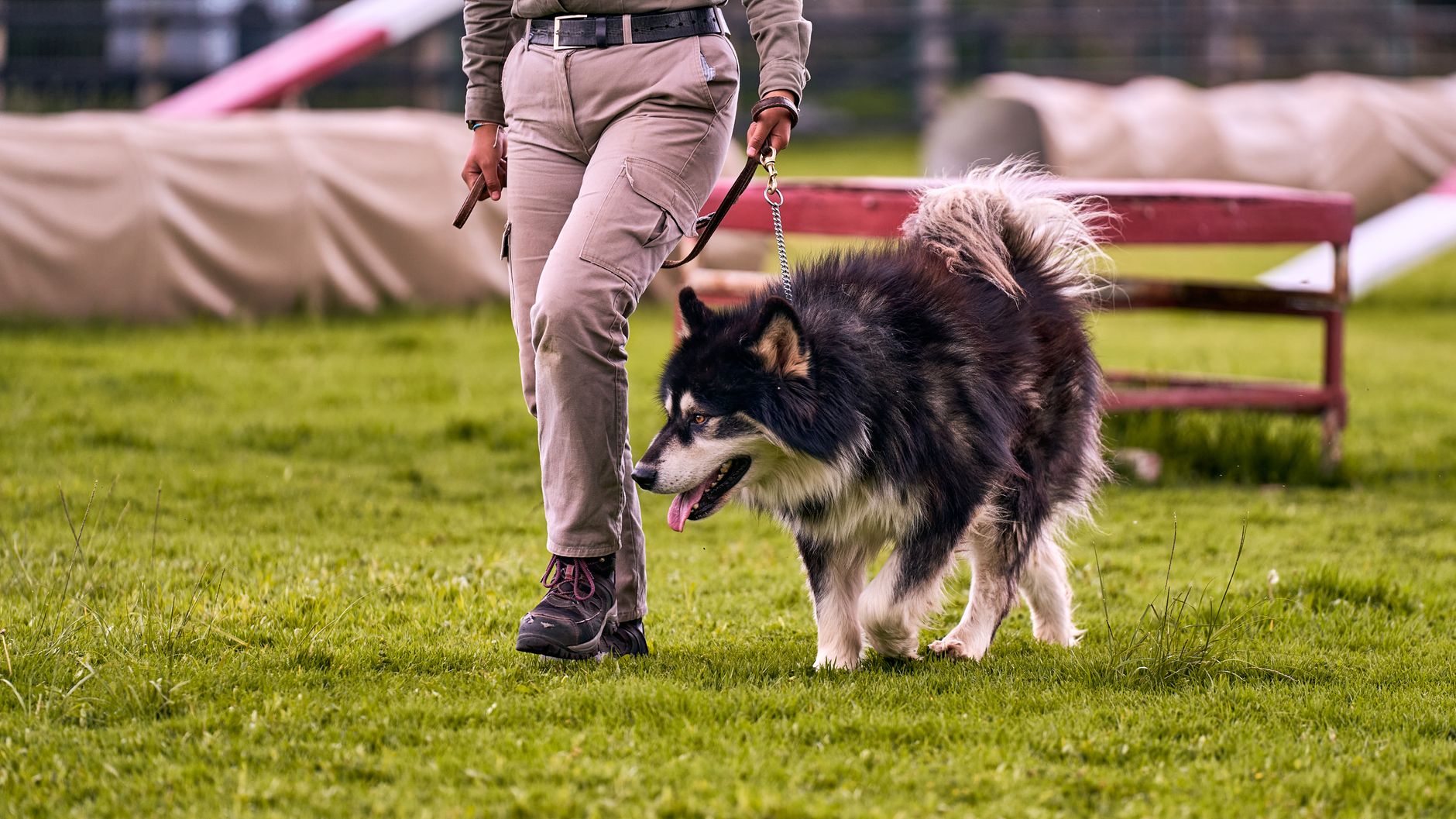
The academy is designed for different needs—whether you're raising a companion or developing a working dog.
Foundational Obedience & Behaviour Training
A one-month, cohort-based program focused on:
- Obedience and discipline
- Behavioural correction
- Socialisation and confidence
- Owner transition and handling
The goal: a dog that is responsive, balanced, and easier to live with.
Protection & Personal Security Training
Focused on:
- Controlled protective behaviour
- Confidence under pressure
- Reliable response to threats
With one key principle: control always comes first.
Service & Assistance Dog Training
Customised programs supporting:
- Mobility assistance
- Medical alerts
- Emotional and psychological support
Built for reliability in real-world environments.
Specialised Working Dog Programs
Including:
- Detection work
- Tracking and scent development
Training dogs for structured, high-performance roles.
The Often Overlooked Side: Owner Preparation
One of the more honest parts of the program is this: training doesn't just change the dog—it affects the owner too.
For those whose dogs board during training, there's an adjustment.
The house gets quieter.
Shoes remain untouched.
You may find yourself checking in more often than expected.
But behind that is something important: your dog is learning structure, discipline, and confidence.
And when they return, the relationship shifts—because now, both of you understand each other better.
Beyond Commands: What Training Really Does
Training is often measured by obedience. But its real value is broader.
It creates:
- Safer interactions
- Reduced anxiety and unwanted behaviours
- More predictable, confident dogs
- Stronger relationships between dogs and their owners
It replaces guesswork with clarity.
When dogs are given the right environment and guidance, they don't just behave better.
They thrive. And so do we.